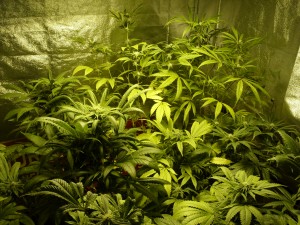
New Jersey Patients Say Medical Marijuana Regulations Still Need Work

Sandy Fiaola, NJ multiple sclerosis patient

July, 20, 2011 press release from The Coalition for Medical Marijuana New Jersey (CMMNJ) www.cmmnj.org

Gov. Christie Allows Medical Marijuana, Regulations Still Need Work

Trenton – NJ Governor Chris Christie held a press conference on July 19, 2011 to address the status of the Compassionate Use Medical Marijuana Act. He has decided to reverse his suspension of the program and allow six Alternative Treatment Centers to move ahead with their operations.

After discussing the various intersections or conflicts between state and federal laws Christie said, “I have instructed the Commissioner of Health to move forward as expeditiously as possible to implement the [program].”

VIDEO: http://www.livestream.com/governorchrischristie/video?clipId=pla_a1a6bf2e-1630-4282-bb87-f28f93e72f9a&utm_source=lslibrary&utm_medium=ui-thumb

“We are happy that the governor is moving forward with the medicinal marijuana program,” said Ken Wolski, a registered nurse and executive director of the Coalition for Medical Marijuana New Jersey (CMMNJ). “Patients have suffered too long waiting for this,” said Wolski, “In thousands of cases patients in NJ have already died without the improvement in quality of life and relief of suffering that marijuana can bring.”

CMMNJ remains focused on a final set of rules for the program that will be workable. “We still have a number of concerns about the regulations put out by the DHSS for this program,” Wolski said, “The physician registry is unnecessary and will disqualify numerous patients.  Plus the cap on THC level is arbitrary and home delivery is not being permitted. These are all roadblocks to patient access that we hope the Christie Administration will reconsider.”

Some of the ATCs have expressed the same concerns. http://newyork.cbslocal.com/2011/03/07/nj-to-hold-hearing-on-medical-marijuana-rules/

Seriously ill New Jersey residents who would qualify under the law expressed surprise and measured hope at the governor’s change in rhetoric.

Jay Lassiter lives with HIV and has testified for better regulations in Trenton, “This is a small step in the right direction for New Jersey and I’m glad that Governor Christie has finally discovered a sense of urgency to help New Jersey residents with cancer and AIDS. I look forward to the day when I won’t be a criminal just for taking medical cannabis.”

Charles Kwiatkowski, a father of three, lives with multiple sclerosis and has been one of the most visible patient advocates in New Jersey. “It’s good and bad…all the restrictions,” Kwiatkowski said today. “But, I’ll believe it when I see it. So far it has been a really long, painful wait.”

[Editor’s Note Freedomisgreen posts submitted content to the site. If you are interested in sending press releases, text or photos please contact [email protected] .]

Read more at Freedomisgreen.com

NJ Medical Marijuana Groups: Compassionate Sciences Inc

Executives from the mainstream pharmaceutical industry, savvy cannabis experts who already run a facility in Montana and a powerful political figure are the people behind Compassionate Sciences Inc. They are one of the first six non-profit businesses who will operate a medical marijuana center in New Jersey. Like most of the other approved facilities they plan intense investments into the research side of their business.

The application states: “Our mission at Compassionate Sciences is to establish a facility and product that meets a pharma-standard of palliative care.” But the details of their operation to achieve those goals were not released.

The group had the most heavily redacted application for the medical cannabis Alternative Treatment Centers. The NJ Department of Health and Senior Services released over 130 of the 184 pages blank. Missing were financial details and information on the physical location of the site. While the rest of the facilities give a specific address or at least a town, Compassionate Sciences Inc. just lists Burlington or Camden Counties as their targeted areas to build.

What DHSS did release were the resume-style biographies for the key players. So let’s meet some of the first people who will be able to legally grow, sell and research marijuana in the Garden State.

Compassionate Sciences ATC Senior Management Team

Richard Taney, Chief Executive Officer.
Mr. Taney is a chief executive with extensive experience in health care, medical technology and financial services. Mr.Taney assumed leadership of Compassionate Sciences after serving as CEO of Delcath Systems, Inc., (NASDAQ: DCTH), a medical technology company that developed a patented system for the targeted delivery of ultra-high dose chemotherapy to the liver for treatment of a variety of cancers. Under his leadership, Delcath Systems achieved widespread adoption by doctors and hospitals. Mr. Taney is also a Trustee of the Compassionate Sciences ATC.

Jack Burkholder, Chief Financial Officer.
Mr. Burkholder is a consultant with more than 30 years of experience in international investment banking, corporate finance and real estate development. He has an expertise in managing complex projects involving close cooperation with governments at all levels and has served extensively in the public trust as a court-appointed receiver. Mr. Burkholder is active in his community as a member of the Real Estate Roundtable and the audit committee of his local school district. He graduated with a BS in Agriculture from Cornell University. Mr. Burkholder is also a Trustee of the Compassionate Sciences ATC.

Michael Nelson, Chief Operating Officer.
Mr. Nelson is the founder of a highly successful international outfitting business who is also the owner and operator of one of the largest and most respected ATC’s in Montana. As a grower-operator over the last six years, he has developed experience in the building of ATCs, systems design,ATC employee orientation and training and management. Mr. Nelson’s cultivation center and multiple-location dispensaries have set a standard of excellence in serving qualified patients throughout the Central and Western regions of the State. Mr.Nelson brings to his work a background in sales, management, distribution and marketing of school products to universities and high schools across the American Northwest. He is active in the Bozeman area business community and as a volunteer in a sports program for the disabled. Mr. Nelson earned a BS in Business from the University of Colorado.

Nicole Wagner, Master Grower.
Ms.Wagner is an accomplished government and academic analyst and researcher in the fields of sustainable agriculture, ecology, agronomy, statistics, engineering and economics. With an expertise in global and domestic agricultural policy, she has served as an international economist and crop assessment analyst at the U.S. Department of Agriculture as well as a researcher at Montana State University. Ms. Wagner has published numerous research studies and has a deep understanding of diversified agricultural systems including organic vegetable and dairy production, conventional corn, soybean, and small grains production. She is also a director of the non-profit Community Food Alliance and works with Field Day Farms, a Community Supported Agriculture (CSA) farm that supports 30 families. Ms. Wagner earned her PhD. in Land Resources and Environmental Sciences from Montana State University and attended the University of Minnesota where she earned her Masters and BA in Biosystems and Agricultural Engineering. She developed her expertise as head grower at the Mr. Nelson’s medical Cannabis facility in Montana.

Andrei Bogolubov, EVP of External Affairs.
Mr. Bogolubov is a communications professional who has served government, major multinationals, regional and emerging growth companies in a wide range of industries around the world. His expertise is in public affairs, business development and community outreach. Mr.Bogolubov’s healthcare, medical and pharmaceutical clients have included American Home Products, Bristol Myers Squibb, Columbia Presbyterian Hospital, Medical Excellence, The Michael J. Fox Foundation, Pfizer, Pharmacia & Upjohn and Value Options. He also has served in government as Assistant to the Secretary for Public Affairs at the US Department of the Interior where he was also the Department’s public affairs liaison to the White House. Mr. Bogolubov developed his expertise in community relations as Director of Policy & Communications at a major national grassroots citizens lobby. Mr. Bogolubov began his public sector career on the committee staff of the Connecticut State Legislature and later served as an aide to a US Congressman.

Noel Palmer, Chemist (consultant).
Dr Noel Palmer is a respected chemist with an expertise in plant and soil chemistry. He is skilled in chromatographic and spectroscopy methods, specializing in the detection of heavy metals, pesticides, and herbicides in both soil and plant matter. He received his doctorate in analytical and soil chemistry from the University of Idaho. The focus of Dr. Palmer’s work was applying various analytical methods to look at soil systems and humic materials and their interactions with various inorganic compounds. Earlier, he managed a soil research lab at the University of Idaho. Dr. Palmer brought his skill in performing chromatographic separations to the analysis and study of Cannabis chemistry. He is a member of the board of the Alliance for Cannabis Science, an international community of Cannabis scientists. Dr Palmer is also the lab manager for Montana Botanical Analysis, a research lab in Montana focused on the study of Cannabis chemistry. His research has been published in more than 10 peer-reviewed scientific papers.

Compassionate Sciences Trustees

Webster B. Todd, Jr.
Mr. Todd brings to Compassionate Sciences experience, judgment and insight he developed over the course of a distinguished career in government, politics and commercial aviation. As a public servant, he was a member of the White House staff and the New Jersey General Assembly as well as a State Department official and the Chairman of the National Transportation Safety Board. Among his private sector achievements, Mr. Todd was the founder of Princeton Aviation Corp, Senior Director of Air Safety at the Airline Pilots Association and President of Frontier Airlines. Throughout his career, Mr. Todd has been active in the community including service as a Director of the New Jersey Commerce and Economic Growth Commission, a member of the Tewksbury Township Agricultural Advisory Board and as a New Jersey firefighter.

Dr. Steven Patierno.
Dr. Patierno is a leader in the science and medicine of cancer who is Executive Director of the George Washington University Cancer Institute. He also serves as Vivian Gill Distinguished Professor of Oncology, GW School of Medicine; Professor of Pharmacology & Physiology, Genetics & Urology, The GW School of Public Health & Health Services; Health Sciences Professor of Environmental & Occupational Health; and Founding Director of the Molecular &Cellular Oncology Program. Dr. Patierno has over two decades of experience managing over $30 million of grants including large, complex biomedical research grants (both laboratory and population sciences), as well as community-based grants in cancer disparities, prevention and control, education and outreach, and survivorship. Dr. Patierno is also an accomplished teacher who was been the recipient of the GW Medical Student’s Golden Apple Award. He is the principal mentor to 20 Ph.D. graduate students and Program Director to over 50 graduate students as well as 20postdoctoral fellows, medical residents and undergraduate trainees. Dr. Patierno earned his PhD in pharmacology at the Graduate School of Biomedical Science at University of Texas Health Science Center in Houston and the MD Anderson Cancer Institute where he was awarded the prestigious Rosalie B. Hite Graduate Fellowship in Cancer Research for his work on the genetics of cancer causation.

All six of the approved ATC applications, redacted by NJ DHSS, have been posted online here for public review:  http://www.scribd.com/NJcannabisDocs
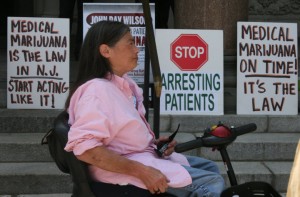
New Jersey: 109 Doctors Register for Medical Marijuana

1/11/2012 – A spokesperson at the New Jersey Department of Health and Senior Services (DHSS), Donna Leusner, said that there are one hundred and nine physicians registered with the state’s medicinal marijuana program.  This is an increase of just nineteen since the last check on the list in June 2011.

The Garden State is requiring the nation’s first registry for doctors who wish to recommend cannabis therapy. The separate registry for seriously ill patients is not open yet. Qualifying NJ patients do not have any protection from arrest or prosecution if they are caught with marijuana.

The finalized regulations for the “Medicinal Marijuana Program” were released by NJDHSS in December 2011. The doctor registry was not written into the law, but it is part of these new regulations. Patients, scientists, doctors, nurses and medical professionals testified several times before Legislative and DHSS hearings that the registry was unnecessary and contained requirements that would discourage participation.

Ken Wolski, a registered nurse and Executive Director of The Coalition  for Medical Marijuana New Jersey (CMMNJ) wrote about the chilling effect of the registry.

” The physician registration program is even more limiting. A new requirement says that physicians must certify that they have completed medical education in Addiction Medicine and Pain Management within the past two years. Physicians must include the course title that covers these two areas, or they will be rejected from the registry.

This is a curious add-on. Marijuana is approximately as addictive as caffeine. Physicians should not be required to take a course in addiction medicine for recommending a substance with documented low addiction potential.” read full

The former DHSS Commissioner Dr. Poonam Alaigh testified before the NJ Senate Health Committee in March 2011 that no similar requirements existed for doctors dispensing other drugs, even narcotics like morphine.

There are more than 28,000 physicians in New Jersey. The low number of registered doctors participating in the cannabis registry so far is seen as a problem by advocates and patients. The NJ Board of Medical Examiners, The NJ Department of Consumer Affairs and DHSS are tasked with providing information to doctors about the cannabis program.

The physician registry for medical cannabis began in October 2010. The list of the registered doctors is currently not public, leaving many patients wondering how they will access the program when or if it becomes operational. DHSS spokesperson Donna Leusner said that the possibility of publishing the doctor list is “under review.”

Two years after the Compassionate Use Medical Marijuana Act was signed into law, the controversial physician registry is the only part of the NJ program that appears to be online.

None of the six Alternative Treatment Centers (ATCs) that will grow and dispense the cannabis have received their final permits from the state. Several have recently failed in their bids for municipal land-use variances. This means that there is no legal marijuana available in New Jersey.

The severely restrictive regulations have put qualifying residents in a Catch-22: Until one of the ATCs actually opens their doors the specially qualified doctors will not be able to register patients with the state.

Chris Goldstein is a respected marijuana reform advocate. As a writer and radio broadcaster he has been covering cannabis news for over a decade. Questions?  [email protected]

New Jersey Attorney General Meets With Medical Marijuana Advocates

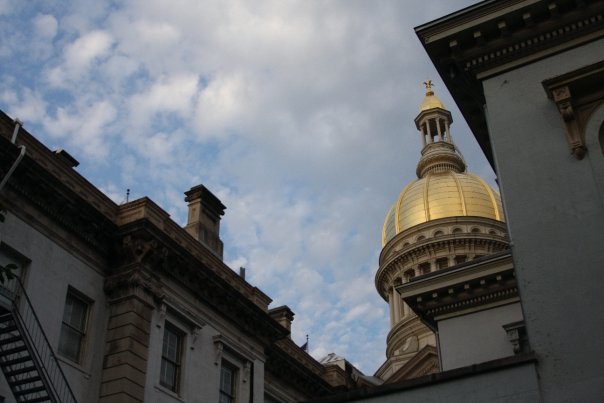
NJ State House by Freitag

New Jersey State House by C. David Freitag

Editor Chris Goldstein was quoted in this press release today –

FOR IMMEDIATE RELEASE 5/25/2011
The Coalition for Medical Marijuana New Jersey (CMMNJ)
www.cmmnj.org

New Jersey Attorney General Meets With Medical Marijuana Advocates

Trenton – New Jersey Attorney General Paula Dow sat down with the Coalition for Medical Marijuana NJ (CMMNJ) on May 24th at her office in Trenton.  The AG and her staff held the meeting to hear concerns from local advocates about the compassionate use marijuana program that has now been suspended by Governor Christie.

Ken Wolski RN, the executive director of CMMNJ, was grateful for the interaction.

“Attorney General Paula Dow and First Assistant Phillip Kwon took time out their demanding schedules to listen to some very serious issues for New Jersey’s medical marijuana law,” said Wolski, “Qualifying patients continue to wait for this program and we hope that some of their concerns were heard. The Office of the Attorney General plays a key role in the implementation and administration of the compassionate use law.”

On April 22, 2011 Dow sent a letter to the Department of Justice in Washington DC requesting clarification about the medical marijuana law. Several US Attorneys have recently issued letters in other states with a clear description of how federal authorities will prosecute medical marijuana facilities, even if they are permitted under state law. In Washington, Montana and other states the letters were accompanied by DEA raids of local medical cannabis dispensaries.

NJ Attorney General Paula Dow stated in the meeting that she sent a follow-up letter to the US Department of Justice, addressed to US Attorney General Eric Holder, on May 23, 2011.

Paul Fishman, the US Attorney for New Jersey, has not sent any communication regarding the NJ medical marijuana law before or after Dow’s requests. A spokesperson at the US DOJ said the April 22nd letter from New Jersey had been received and was under review.

Chris Goldstein, the media coordinator at CMMNJ also attended the meeting.

“Not a single person in New Jersey has been able to register for medical cannabis, despite many promises from Governor Christie,” said Goldstein, “But I think that we had a meaningful exchange of new ideas with Attorney General Dow. The intent of The Compassionate Use Medical Marijuana Act is to grant legal access to seriously ill residents. There are some methods that the AG’s office can explore to actively protect New Jersey’s medical cannabis patients today.”

New Jersey passed the first compassionate use law in the country that forces patients into a centralized system of just six Alternative Treatment Centers to access all of their state-legal cannabis. There are no provisions in the NJ law to allow patients or caregivers to cultivate cannabis on their own. The law was supposed to have been fully implemented in the summer of 2010 but has suffered numerous delays.

CMMNJ’s Ken Wolski is looking forward to meeting with the one state official who has exercised the most influence over the medical marijuana law: Governor Chris Christie.

“It is long past time for Governor Christie to actually meet with patients and advocates in our state to discuss the compassionate use law.”

New Jersey: Camden Will Consider Medical Marijuana Centers at Land-Use Hearing

2/6/2012 – A zoning hearing will be held before the Land-Use Board of Camden New Jersey on Monday February 6, 2012. These are normally rather dull meetings but on the agenda this week is a variance to allow one of the six state-approved medical marijuana Alternative Treatment Centers (ATCs). Several municipalities around the state have already turned down the facilities. This has left the Garden State medical cannabis law completely stalled as none of the ATCs can find a home.

But in Camden there are some new factors to the attempt that could yield a different outcome. Instead of one of the multi-million dollar ATCs seeking permission this time it is an individual going before the local zoning board.  Frank Fulbrook has owned property in Camden since the 1960’s. He is also a local activist and a meticulous scholar. This writer interviewed Fulbrook in 2007 after he mapped all of the open-air drug markets in Camden – a rather large and risky task.

Fulbrook is considered an expert in the local planning code; he actually sat on Camden’s Land-Use Board for many years. Now Fulbrook has partnered up with a friend who owns a warehouse, they will seek the zoning approval on their own and then lease the space to one of the ATCs. Rather than coming in from outside the community asking to open such an innovative business Fulbrook and his partner are super-locals, which should give them a much better shot.

Even with all of these ducks in a row there are other factors. If you have never been to New Jersey you have still probably heard of Camden. The city sits across the Delaware River from Philadelphia and remains a sore spot in the state. Yes there are happy seals barking from the gleaming NJ Aquarium, a bustling Rutgers Campus and some strips of success. But recent budget cuts have escalated the violence and blight across 95% of the already impoverished community.

Governor Chris Christie and the NJ Department of Health and Senior Services (DHSS) have severely altered the plans for the cannabis program. Among the buffet of new restrictions was the elimination of the provisions that allowed for the home delivery of  NJ’s medicinal cannabis. This means that patients or their designated caregiver must visit the ATCs in person. Although Camden is centrally located and has ample connections to public transportation, seriously ill NJ residents may not want to venture into the dangerous city for their legal marijuana.

Another interesting note is that half of the Camden police force was recently laid off. This has led to a sharp increase in the presence of federal agents – mainly in the Drug Enforcement Administration or DEA. If the ATC is approved in Camden there may be some friction between a warehouse growing marijuana for half of South Jersey’s patients and the DEA.

Still Fulbrook is hopeful for success, “This is a good place for one of these Alternative Treatment Centers. It’s the largest population concentration in South Jersey and all roads lead to Camden. It’s hub of highways and mass transit. But there are people right in Camden that have serious medical problems like HIV/AIDS …there are a lot of people right here who can benefit from marijuana as medicine. And this can create jobs.”

The Coalition for Medical Marijuana New Jersey (CMMNJ) is planning to have advocates at the hearing to testify.

Chris Goldstein is a respected marijuana reform advocate. As a writer and radio broadcaster he has been covering cannabis news for over a decade. Questions?  [email protected]

New Jersey Continues to be the Gardenless State

“I never smoked it before I got sick, and I don’t smoke it for fun,” said Ms. Booker, 59, from Englewood, N.J.

As New Jersey’s Governor Chris Christie continues to stonewall, delay and deny voter-approved medical marijuana legislation, women like Irvina Baker go without alternative treatments to serious illnesses. This New York Times piece is an excellent example of how our elected officials decide how laws will or will not be implemented, based on their own political agenda, and not the will of the people.

Irvina Booker makes a most unlikely criminal. She lives in constant pain, disabled by multiple sclerosis and arthritis, a grandmother whose limited mobility depends on her walker, her daughter and marijuana.

Irvina Booker at her home in Englewood, N.J. She expressed frustration about the lack of access to medical marijuana.

“I never smoked it before I got sick, and I don’t smoke it for fun,” said Ms. Booker, 59, who lives in Englewood, N.J. She would not divulge how she obtains her marijuana, but said, “I don’t want to be sneaking around, afraid someone is going to get arrested getting it for me.”

Like many people who contend that marijuana eases pain and appetite loss from serious diseases, Ms. Booker cheered in January 2010, when New Jersey legalized its use in cases like hers. But a year and a half later, there is still no state-sanctioned marijuana available for patients, and none being grown, and there is no sign of when there might be.

In the last few months, officials in New Jersey, as well as several other states, have said that mixed signals from the Obama administration have left them unsure whether their medical marijuana programs could draw federal prosecution of the people involved, including state employees.

A Justice Department memorandum issued late last month left unanswered questions, and Gov. Chris Christie has not said how he will proceed. But medical marijuana advocates say that in New Jersey, at least, the state law is stringent enough not to run afoul of federal policy, and that the governor’s true goal has been to block the program.

“You don’t have to be Sherlock Holmes to figure that out,” said State Senator Nicholas P. Scutari, a Democrat. “He’s used every tactic he can to delay and deny.”

The governor, a Republican, and his aides have insisted that every delay has been a genuine attempt to make the program work properly.

“In light of the Obama administration’s memorandum, the governor’s office is performing its due diligence to ensure implementation of the program is not in conflict with federal law and does not put state employees charged with directing the program at risk,” Kevin Roberts, a spokesman for Mr. Christie, said.

Read more.

New Jersey Licenses Six Alternative Treatment Centers for Medical Marijuana

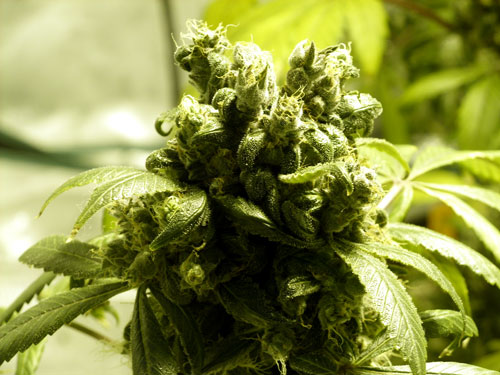
Medical marijuana growing in CA – photo by C. Goldstein

On March 21, 2011 New Jersey Department of Health and Senior Services (DHSS) announced the winning applications for the medical marijuana Alternative Treatment Centers (ATCs) in the Garden State. Twenty-one applicants submitted exhaustive business plans along with a $20,000 filing fee.

The non-profit’s are:
· Breakwater Alternative Treatment Center, Corp., Ocean, Central Region; The ATC would be located in Manalapan, Monmouth County.

· Compassionate Care Centers of America Foundation Inc. (CCCAF), Jersey City, Central Region; The ATC would be located in New Brunswick, Middlesex County.

· Compassionate Care Foundation Inc., West Trenton, Southern Region; The ATC would be located in Bellmawr, Camden County.

· Compassionate Sciences, Inc. ATC, Sea Cliff, NY, Southern Region; The location of the ATC is undetermined, but will be located in either Burlington or Camden County.

· Foundation Harmony, Cliffside Park, Northern Region; The ATC would be in Secaucus, Hudson County.

· Greenleaf Compassion Center, Montclair, Northern Region; The ATC would be in Montclair, Essex County.

However the regulations governing the facilities have not been finalized and remain in a hard-fought Legislative dispute.

Ken Wolski the executive director of The Coalition for Medical Marijuana-New Jersey (CMMNJ) said,

“We certainly wish the successful applicants luck because patients need legal marijuana as soon as possible.   However, we have serious doubts that these non-profit organizations will be able to develop a working program with the overly restrictive regulations proposed by DHSS.  CMMNJ still supports the legislative Resolution to invalidate significant parts of the DHSS regulations.”

Read the full press release from NJ DHSS here: http://www.state.nj.us/cgi-bin/dhss/njnewsline/view_article.pl?id=3681

New Jersey Marijuana Center Applications Made Public

4/13/2011 – Documents from the application process in New Jersey for the medical marijuana Alternative Treatment Centers are being released. The Coalition for Medical Marijuana New Jersey (CMMNJ) and Freedomisgreen.com acquired the six applications that were approved.They are posted online for public download here: http://www.scribd.com/NJcannabisDocs

Requests for the information were filed through the Open Public Records Act (OPRA) with the Department of Health and Senior Services (DHSS).

DHSS officials said that the scoring and review documents from the application process are being released later today. The additional twenty-five unapproved applications are expected later this week.

CMMNJ and Freedomisgreen.com will continue to post the documents online for public review.

New Jersey: Medical Marijuana Operators Expect Announcement

Officials may announce the winning applications for the medical marijuana Alternative Treatment Centers  (ATCs) in the Garden State today. The New Jersey Department of Health and Senior Services (DHSS) confirmed in an email that they would release a statement.

More than 20 applicants submitted exhaustive business plans along with a $20,000 filing fee. But the regulations governing the ATC facilities have not been finalized and remain in a Legislative dispute. Potential non-profits have stated that they would find it nearly impossible to operate under the current proposed rules, even if the state does give them a green light.

Read more: NJ Health Commissioner treats medical marijuana patient

New Jersey Medical Marijuana Patient Released

John Ray Wilson in 2010

10/6/2011 – John Ray Wilson has been granted bail by the New Jersey Appellate Division pending his final appeal to the State Supreme Court. Although the New Jersey Deputy Attorney General Russell Curley requested $150,000 cash, the judge set $15,000 and allowed a posting of 10 percent.

His family moved quickly to secure Wilson’s release. In a phone call this week John said he was glad to be home, “My grandma needs a lot of help right now, so at least I can be there for her.”

In January 2010, just as the NJ medical marijuana law was passed, Wilson was convicted of growing 17 cannabis plants. Wilson lives with multiple sclerosis and without health insurance. He has always maintained that the marijuana was cultivated for his personal medical use.

This is the second time that Wilson has been incarcerated and bonded out as his case continues through the courts.

MS is one of the few recognized medical conditions under the New Jersey Compassionate Use Medical Marijuana Act. Cannabis treats muscle spasticity in MS patients and been shown to slow the progression of the disease.

New Jersey’s medical marijuana program remains in trouble. Delays and added restrictions imposed by Governor Chris Christie have kept state-sanctioned cannabis from being grown or distributed. Patients with qualifying conditions have only the illegal, underground market for access.

Wilson may not use cannabis while on bail and has gone back to using bee-sting therapy.

The NJ Appellate Division ruled that “manufacturing” marijuana can never be considered for personal use (medical or otherwise).

Legal observers note that granting bail may hint that the state’s highest court may take up the case.

“We think that the appellate decision is misguided,” said Wilson’s attorney William Buckman, “we are hoping that the Supreme Court will set the record straight that New Jersey doesn’t want to put sick people or simple individual marijuana users into prison at the cost of $35,000 a year.”